

Why Sellers Shouldn’t Rely on Just One Platform
(Why relying on just one platform can limit your growth)
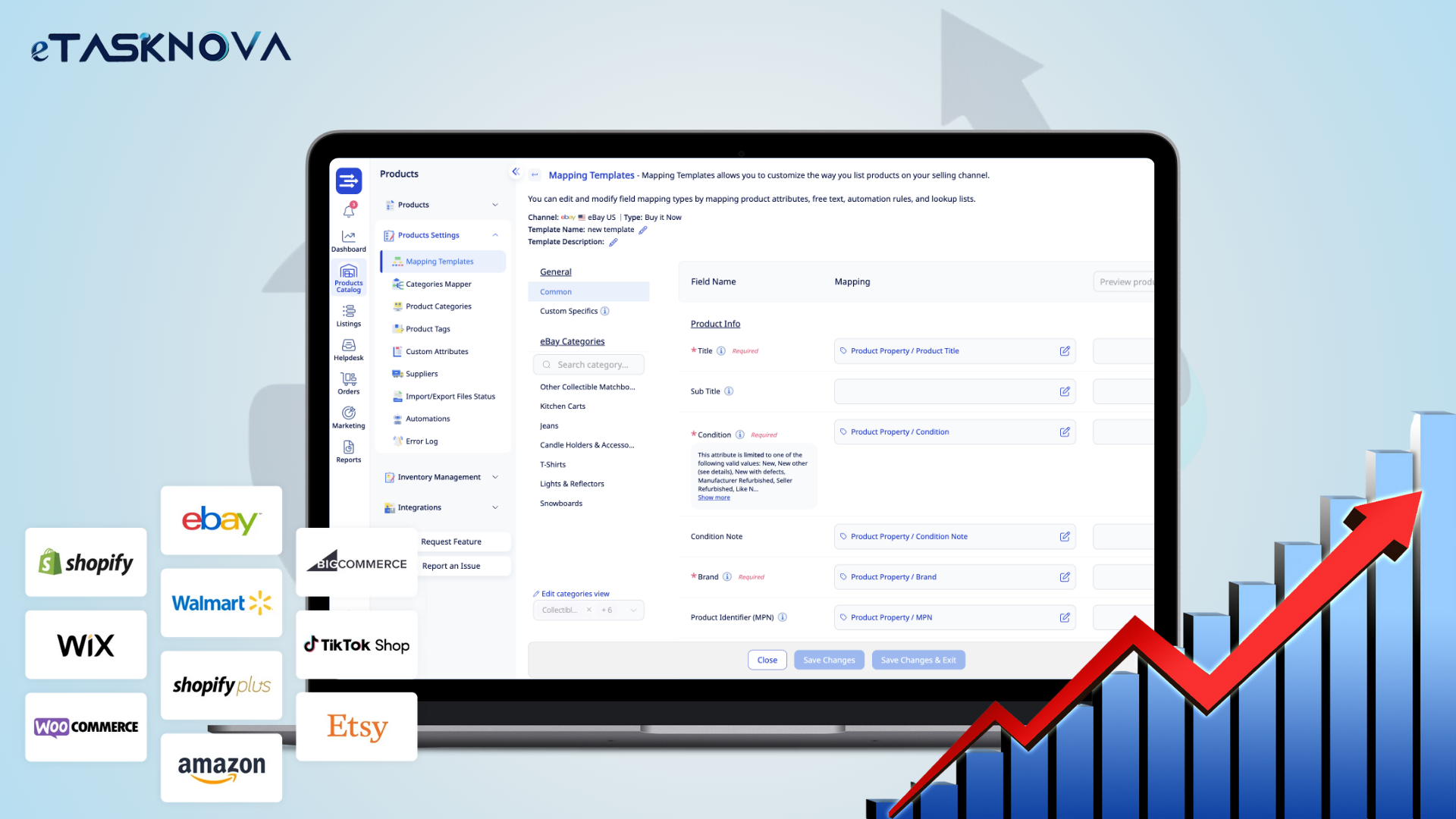
In today’s digital world, selling across multiple ecommerce platforms can give businesses a major edge by increasing visibility and helping them reach a wider audience, which leads to higher sales potential.
But this approach needs to be planned carefully. It’s best to start with one or two platforms and gradually expand. This way, businesses can test what works, understand where their target customers are, and use their resources wisely.
In this article, we’ll explore the key benefits of multichannel selling and share practical tips for getting started.
Expand Your Customer Reach
Selling on multiple platforms lets you reach a wider audience by tapping into each platform’s unique customer base. Amazon, Etsy, eBay, and your own website all attract different types of buyers and the more places you’re visible, the more potential customers you can reach.
Instead of trying to be everywhere, focus on platforms that match your product and customer. For example, handmade jewelry may perform better on Etsy and your own site than on Amazon. Knowing where your audience shops helps you connect with the right people, increase visibility, and boost your chances of making sales.
Reduced Dependency on a Single Platform
Putting all your focus on one selling platform, whether it’s Amazon, eBay, Etsy, or another may seem easier to manage at first, but it leaves your business vulnerable. If something goes wrong on that single channel, your entire operation can come to a halt.
- Platforms can face various issues like:
🔹 Technical outages
🔹 Policy changes
🔹 Account suspensions or restrictions
🔹 Sudden fee increases
🔹 Reduced organic visibility due to algorithm updates
Any of these can directly impact your sales, traffic, and customer experience. And when you rely on just one channel, there’s no backup plan.
By selling across multiple platforms, you create a safety net for your business. If one platform has a problem for example, Amazon goes down or restricts your account, you can still generate sales through your Shopify store, Etsy shop, or another channel. This helps you maintain consistent cash flow and customer access, even in unexpected situations.
This approach isn’t just about avoiding problems, it’s about building long-term stability and control. Many experienced sellers intentionally diversify to avoid being fully dependent on any one platform’s rules, risks, or revenue.
Build brand awareness and drive traffic to your main website
Building brand awareness is a key factor in creating a strong and successful business. When your products are available on multiple trusted platforms, it naturally boosts your brand’s credibility. Shoppers who see your brand across different channels are more likely to view your business as reliable and well-established, even if they’re not familiar with it yet.
Selling on various platforms also helps you reach different types of customers across a broader market. This wider exposure increases your chances of being discovered by new audiences who may not have come across your brand otherwise.
Additionally, being present on multiple sales channels gives customers the flexibility to engage with your brand in the way they prefer whether that’s purchasing through a marketplace or directly from your website. This not only improves the shopping experience but also builds trust, encourages repeat purchases, and strengthens customer loyalty over time.
Increased sales opportunities
Selling on multiple platforms naturally increases your visibility and helps you reach a wider audience. And the more people who see your products, the more opportunities you have to make sales. By expanding your presence across different channels, you’re not just increasing reach. You’re also taking advantage of each platform’s unique strengths to attract various types of customers.
For example, Amazon’s customer review system builds trust, which can directly lead to more conversions. Similarly, platforms like eBay or Etsy have their own user bases that prefer specific shopping experiences, giving you more chances to connect with the right buyer.
Research shows that Amazon and eBay are two of the most popular marketplaces, with Amazon receiving around 400 million visits per month and eBay attracting over 250 million in the UK alone. With such massive traffic, being present on both platforms can give your business a major boost in sales. These numbers clearly show why it’s worth testing your products across multiple marketplaces instead of limiting yourself to just one.
Tips for Selling on Multiple Platforms
Start Small – Don’t Spread Too Thin
With so many online platforms available, it’s easy to get excited and try listing your products everywhere at once. But this can lead to confusion, inventory issues, and poor customer experience. It’s much smarter to start small focus on one or two platforms like Amazon or eBay, and test how your products perform there.
Rather than uploading your entire catalog, choose a small part of your inventory to begin with. This lets you manage your operations more efficiently, track performance, and understand which products sell better on which platform. Once you feel confident, you can expand to more platforms gradually.
Managing Inventory Across Platforms
Inventory management becomes more complex when you’re selling on multiple platforms. You might think splitting stock evenly between two marketplaces makes sense but what if one platform sells much faster than the other? You could either run out of stock or miss out on potential sales.
That’s why learning how each platform performs is important early on. Over time, you’ll figure out which products do better where, and you can adjust your inventory accordingly.
To make this easier, consider using an automated inventory management system. These tools help you:
- Track inventory in real-time across all platforms
- Avoid overselling or running out of stock
- Save time by syncing inventory updates automatically
- Generate reports that help you make smarter stock decisions
A centralized system ensures your inventory is always up to date reducing human error and helping you scale your business smoothly.
Take Time to Research Platforms
Before you jump into selling somewhere new, take time to understand how each platform works. Every channel whether it’s Amazon, Etsy, eBay,Walmart, shopify tiktokshop or others has its own rules, fee structures, customer types, and policies. Knowing these in advance helps you avoid issues like account holds, penalties, or customer complaints.
Also, consider how the platform handles customer service. If the platform or a third-party provider offers poor support, it could reflect badly on your brand even if it’s not your fault. Customers will often blame you for the full experience, good or bad. That’s why it’s crucial to choose platforms that align with your brand’s values and customer expectations.
Doing proper research upfront not only protects your reputation, but also helps you focus your energy on platforms with the highest potential for your products.
Study Your Competitors
Competitor research is just as important as platform research. Understanding how others in your niche operate gives you a major advantage.
Here’s what to look into:
- What products they’re selling and what’s trending
- How they price their products
- Their marketing and promotion strategies
- What customers are saying in their reviews
- Any common complaints or mistakes they’re making
- How they present their brand
By learning from both their strengths and weaknesses, you can shape a smarter strategy. This helps you stand out from the crowd, offer better value, and avoid common pitfalls in your market.
Final Thoughts
Multichannel selling isn’t just a smart strategy. It’s a necessary move for serious ecommerce growth. Relying on a single platform puts your entire business at risk. But when you expand across multiple platforms, you unlock new revenue streams, reach more customers, and protect yourself from unexpected disruptions.
However, success doesn’t come from just being everywhere. It comes from showing up strategically, managing inventory intelligently, and learning continuously both from the platforms you sell on and the competitors you sell against.
That’s exactly where eTaskNova steps in.
We don’t just help brands sell – we help them scale.
From platform selection and inventory syncing to competitor research and performance optimization, eTaskNova empowers you to sell smarter, not harder.If you’re ready to move beyond guesswork and build a multichannel strategy that actually grows your business,
Let eTaskNova be your ecommerce growth partner.